
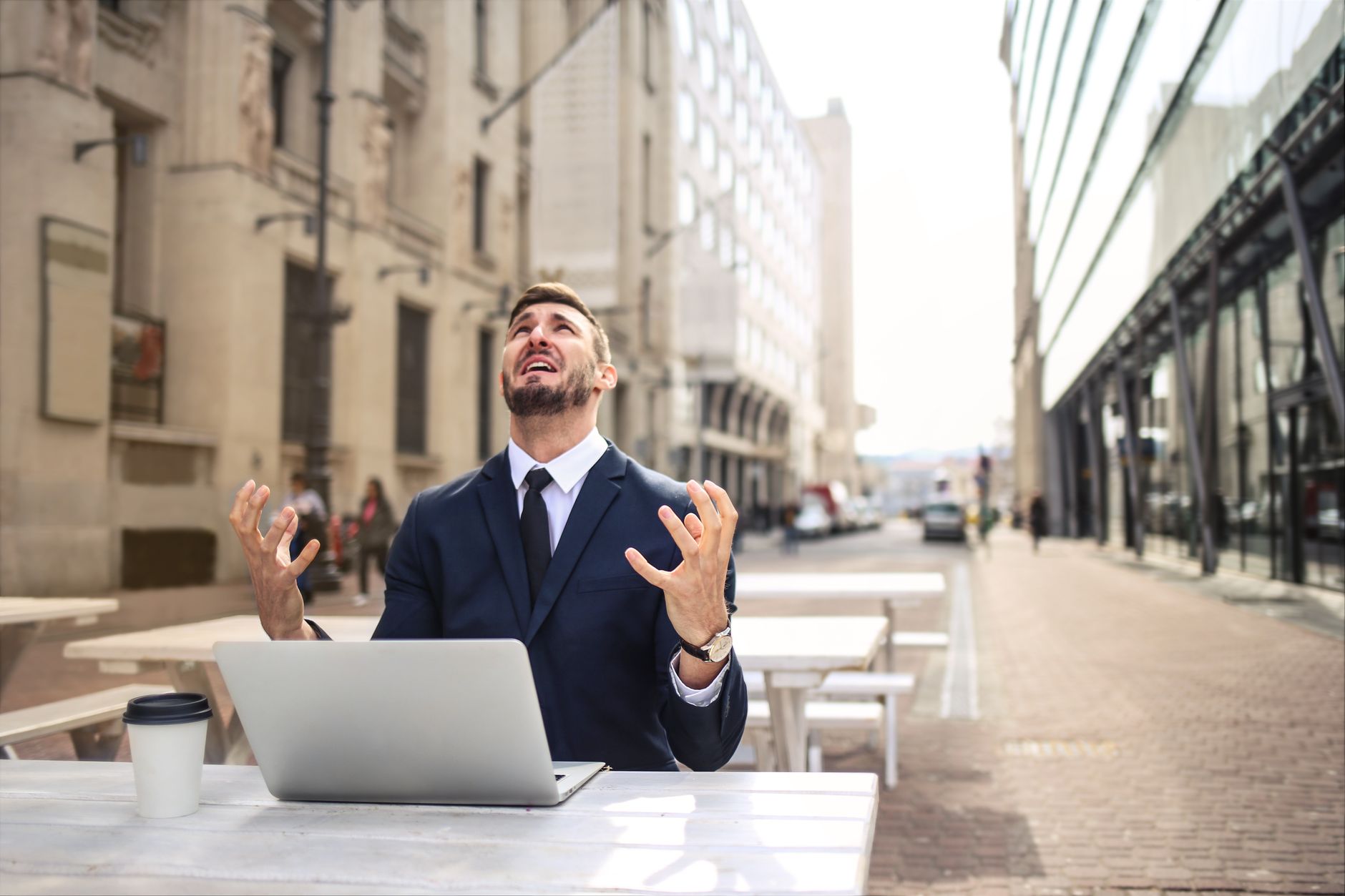
Imagine spending hundreds of dollars on advertising, creating social media content, networking, and generating interest in your properties—only for potential property leads to leave your website before they even see your listings.
That is exactly what happens when your website is slow.
Many real estate agents focus heavily on generating traffic through social media, SEO, referrals, and paid advertising. While these activities are important, they only solve half of the problem. The other half is what happens after visitors arrive on your website.
If your website takes too long to load, potential property leads will leave before they ever have the chance to contact you, request a viewing, or explore your listings.
A slow website doesn’t just cost you visitors—it costs you leads, sales opportunities, search engine rankings, and ultimately revenue.
Why Website Speed Matters in Generating Property Leads
Real estate buyers are not browsing casually.
Most people searching for a property are actively comparing listings, checking prices, researching neighborhoods, and evaluating multiple agents at the same time. They want information quickly and conveniently.
Check out more information on how home buyer search for properties online
When someone clicks on your website, they expect immediate access to property photos, descriptions, and contact information.
If your website responds slowly, visitors become frustrated and move on.
Think about your own browsing habits. How often do you wait 10 seconds for a website to load when dozens of alternatives are available?
Probably not very often.
The same applies to your potential property leads.
Every extra second your website takes to load increases the likelihood that a visitor will abandon the page and continue their search elsewhere.
Your Marketing Is Only as Effective as Your Website
Many agents make the mistake of assuming that more traffic automatically means more property leads.
It doesn’t.
You can spend money on:
- Google Ads
- Facebook Ads
- Instagram Promotions
- SEO Campaigns
- Email Marketing
But if visitors land on a slow website, much of that investment is wasted.
Imagine paying for 1,000 visitors to your website.
If a significant percentage leave because pages load slowly, you’re essentially paying for traffic that never gets the opportunity to convert into a lead.
The problem isn’t your marketing.
The problem is that your website is creating friction between interest and action.
A visitor who was ready to schedule a viewing today may never return tomorrow.
Slow Websites Hurt Your Google Rankings Not Only Your Property Leads
Website speed doesn’t only affect visitors.
It also affects how search engines evaluate your website.
Google wants to provide users with the best possible experience. Because of this, page speed is one of the factors used when ranking websites in search results.
A slow website can result in:
- Lower rankings
- Reduced visibility
- Less organic traffic
- Fewer property inquiries
This creates a damaging cycle:
- Your website loads slowly.
- Visitors leave quickly.
- Google notices poor user engagement.
- Rankings decrease.
- Fewer people discover your website.
Over time, a slow website can quietly reduce the number of leads entering your pipeline.
Many agents blame market conditions, competition, or advertising performance when the real issue is that their website isn’t performing properly.
First Impressions Matter (Especially When Getting Property Leads)
Your website is often the first interaction a potential buyer has with your business.
Before speaking to you, reading your emails, or meeting you in person, prospects are judging your professionalism based on your website experience.
A fast website sends a powerful message:
- You’re professional.
- You’re trustworthy.
- You’re active.
- You care about your clients’ experience.
A slow website communicates the opposite.
Visitors may subconsciously assume:
- The business is outdated.
- The company isn’t actively maintained.
- Communication may be slow.
- Customer service may be poor.
Whether these assumptions are true or not doesn’t matter.
Perception influences decision-making.
In real estate, trust is everything. If a buyer loses confidence in your business within the first few seconds, recovering that trust becomes much harder.
If you have trouble generating trust with your website, check out how we can help you. Get Your Website To Generate Trust For You So You Can Close More
Buyers Associate Slow Websites with Poor Service
Speed influences expectations.
When visitors encounter a slow website, they often assume the entire customer experience will be slow as well.
If your homepage takes several seconds to load, prospects may wonder:
- Will it take days to get a callback?
- Will scheduling a viewing be difficult?
- Will communication be slow throughout the buying process?
Even though website speed and customer service are separate things, buyers often connect them psychologically.
A smooth online experience creates confidence.
A frustrating experience creates doubt.
And doubt kills conversions.
Your Competitors Are One Click Away
The real estate industry is highly competitive.
Most buyers aren’t evaluating only one agent.
They’re comparing multiple websites, multiple listings, and multiple service providers.
If your website is slow, your competitors gain an immediate advantage.
Consider this scenario:
A buyer searches for apartments in your area.
They open three different agency websites.
The first two load almost instantly.
Yours takes several seconds.
Which website do you think they’ll continue browsing?
The answer is obvious.
When alternatives are available, people choose convenience.
In competitive markets where many agents are listing similar properties, website speed can become a deciding factor in who captures the lead.
What Are You Actually Losing?
The impact of a slow website goes beyond a few impatient visitors.
1. Lower Lead Conversion Rates
Visitors who leave before viewing listings cannot become leads.
The fewer people who engage with your website, the fewer inquiries, calls, and viewing requests you’ll receive.
2. Higher Bounce Rates
A bounce occurs when someone visits a page and leaves without taking any action.
Slow websites often experience significantly higher bounce rates because users abandon the site before interacting with it.
3. Wasted Advertising Budget
Every click you pay for has a cost.
If visitors leave because of poor performance, your advertising investment generates fewer results.
You’re essentially paying for traffic that disappears before converting.
4. Reduced Search Visibility
Lower search rankings mean fewer opportunities to attract buyers organically through Google.
5. Lost Revenue
Ultimately, fewer leads result in fewer appointments, fewer property viewings, and fewer closed deals.
Website speed directly impacts your bottom line.
How to Improve Website Speed To Get More Property Leads
The good news is that many website speed issues can be fixed relatively quickly.
Compress Your Images
Property websites often contain large, high-resolution photos.
While quality images are important, oversized image files can dramatically slow down loading times.
Compress images before uploading them to your website while maintaining visual quality.
Remove Unnecessary Plugins
Many websites accumulate plugins over time.
Each plugin adds extra code that can affect performance.
Review your plugins regularly and remove anything that isn’t essential.
Upgrade to Faster Hosting
Your hosting provider plays a major role in website performance.
Cheap hosting plans may save money initially, but they often result in slower loading speeds and reduced reliability.
Investing in quality hosting can significantly improve user experience.
Final Thoughts
A slow website is more than a technical problem—it’s a business problem.
It affects your search rankings, damages first impressions, increases bounce rates, wastes advertising budget, and reduces lead conversions.
Real estate buyers expect speed, convenience, and professionalism. If your website fails to deliver those expectations, they won’t wait around. They’ll move on to a competitor who does.
The reality is simple: every second matters.
The faster your website loads, the more opportunities you create to turn visitors into inquiries, inquiries into appointments, and appointments into closed property deals.
If you’re investing time and money into marketing your real estate business, make sure your website isn’t silently driving those hard-earned leads away.